|
|


|
Share | |
|
Siga-nos |
|
|
|
|
|
Livros |



|

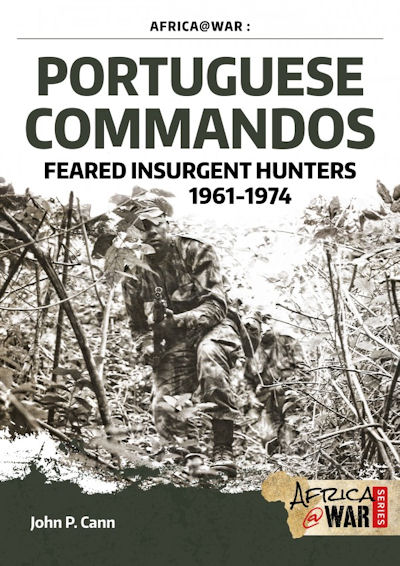
 commandos
always to think of themselves as the hunter rather than
the hunted. Officers returning from contact with the
enemy were rigorously debriefed, and commando
instructors regularly participated in operations to
learn of the latest enemy developments. This information
was integrated with intelligence from other sources
gathered by the military and national intelligence
services, and from this current knowledge, training was
constantly revised to remain attuned to the enemy and
his
commandos
always to think of themselves as the hunter rather than
the hunted. Officers returning from contact with the
enemy were rigorously debriefed, and commando
instructors regularly participated in operations to
learn of the latest enemy developments. This information
was integrated with intelligence from other sources
gathered by the military and national intelligence
services, and from this current knowledge, training was
constantly revised to remain attuned to the enemy and
his
 behaviour.
The commandos became a breed apart - and their
reputation was such that when insurgents discovered a
unit deployed into their area, they would generally
withdraw until the killers left. This commando training
- and its sympathy with the fighting environment - made
the commandos the most effective ground force in the
Portuguese Army. The commandos were expert practitioners
in the art of counterinsurgency, and their practice of
destroying the enemy in great numbers quickly and
quietly served as inspiration not only to South Africa
and Rhodesia, but to the enemy himself. This is the
story of the Portuguese commandos: their beginnings,
their unique operations and their legacy and influence
in subsequent sister units such as the Buffalo Battalion
of South Africa.
behaviour.
The commandos became a breed apart - and their
reputation was such that when insurgents discovered a
unit deployed into their area, they would generally
withdraw until the killers left. This commando training
- and its sympathy with the fighting environment - made
the commandos the most effective ground force in the
Portuguese Army. The commandos were expert practitioners
in the art of counterinsurgency, and their practice of
destroying the enemy in great numbers quickly and
quietly served as inspiration not only to South Africa
and Rhodesia, but to the enemy himself. This is the
story of the Portuguese commandos: their beginnings,
their unique operations and their legacy and influence
in subsequent sister units such as the Buffalo Battalion
of South Africa.|
© UTW online desde 30Mar2006 |
Portal do UTW: Criado e mantido por um grupo de Antigos Combatentes da Guerra do Ultramar |